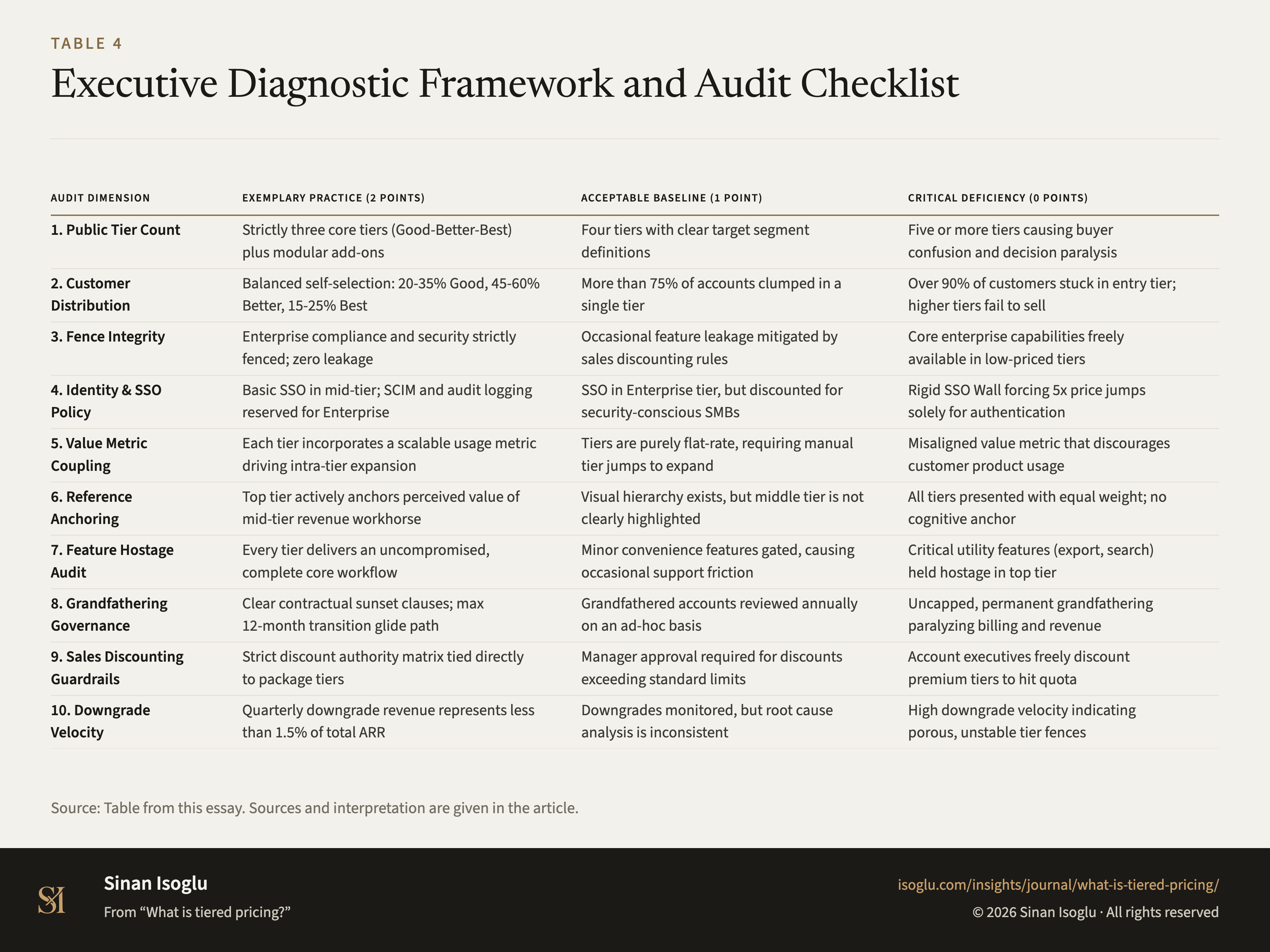
Table 3How do you audit your own packaging?
| Audit Dimension | Exemplary Practice (2 Points) | Acceptable Baseline (1 Point) | Critical Deficiency (0 Points) |
|---|---|---|---|
| 1. Public Tier Count | Strictly three core tiers (Good-Better-Best) plus modular add-ons | Four tiers with clear target segment definitions | Five or more tiers causing buyer confusion and decision paralysis |
| 2. Customer Distribution | Balanced self-selection: 20-35% Good, 45-60% Better, 15-25% Best | More than 75% of accounts clumped in a single tier | Over 90% of customers stuck in entry tier; higher tiers fail to sell |
| 3. Fence Integrity | Enterprise compliance and security strictly fenced; zero leakage | Occasional feature leakage mitigated by sales discounting rules | Core enterprise capabilities freely available in low-priced tiers |
| 4. Identity & SSO Policy | Basic SSO in mid-tier; SCIM and audit logging reserved for Enterprise | SSO in Enterprise tier, but discounted for security-conscious SMBs | Rigid SSO Wall forcing 5x price jumps solely for authentication |
| 5. Value Metric Coupling | Each tier incorporates a scalable usage metric driving intra-tier expansion | Tiers are purely flat-rate, requiring manual tier jumps to expand | Misaligned value metric that discourages customer product usage |
| 6. Reference Anchoring | Top tier actively anchors perceived value of mid-tier revenue workhorse | Visual hierarchy exists, but middle tier is not clearly highlighted | All tiers presented with equal weight; no cognitive anchor |
| 7. Feature Hostage Audit | Every tier delivers an uncompromised, complete core workflow | Minor convenience features gated, causing occasional support friction | Critical utility features (export, search) held hostage in top tier |
| 8. Grandfathering Governance | Clear contractual sunset clauses; max 12-month transition glide path | Grandfathered accounts reviewed annually on an ad-hoc basis | Uncapped, permanent grandfathering paralyzing billing and revenue |
| 9. Sales Discounting Guardrails | Strict discount authority matrix tied directly to package tiers | Manager approval required for discounts exceeding standard limits | Account executives freely discount premium tiers to hit quota |
| 10. Downgrade Velocity | Quarterly downgrade revenue represents less than 1.5% of total ARR | Downgrades monitored, but root cause analysis is inconsistent | High downgrade velocity indicating porous, unstable tier fences |
Swipe or scroll horizontally if the table is wider than your screen.
Source: Table from this essay. Sources and interpretation are given in the article.
PNG4:3, 1600 × 1200, with the title, the source line and the attribution set in the image isoglu-2026-what-is-tiered-pricing-fig04.png
From the essay
Pricing & revenue architecture
What is tiered pricing?
Tiered pricing bundles features into distinct packages with clear boundaries. Design fences that prevent downgrades and protect willingness to pay.
Read the essayThis exhibit belongs to an essay: the numbers live here, the argument lives there.
Cite or embed
Contact
Bring the question you're working on.
Research, a guest lecture, or a commercial question.