Figure 1From “Gross margin is not contribution margin”
Four metric objects, four unanswered questions
Keep the measured object, work signal, calculation burden, possible behaviour, and outcome check in separate columns.
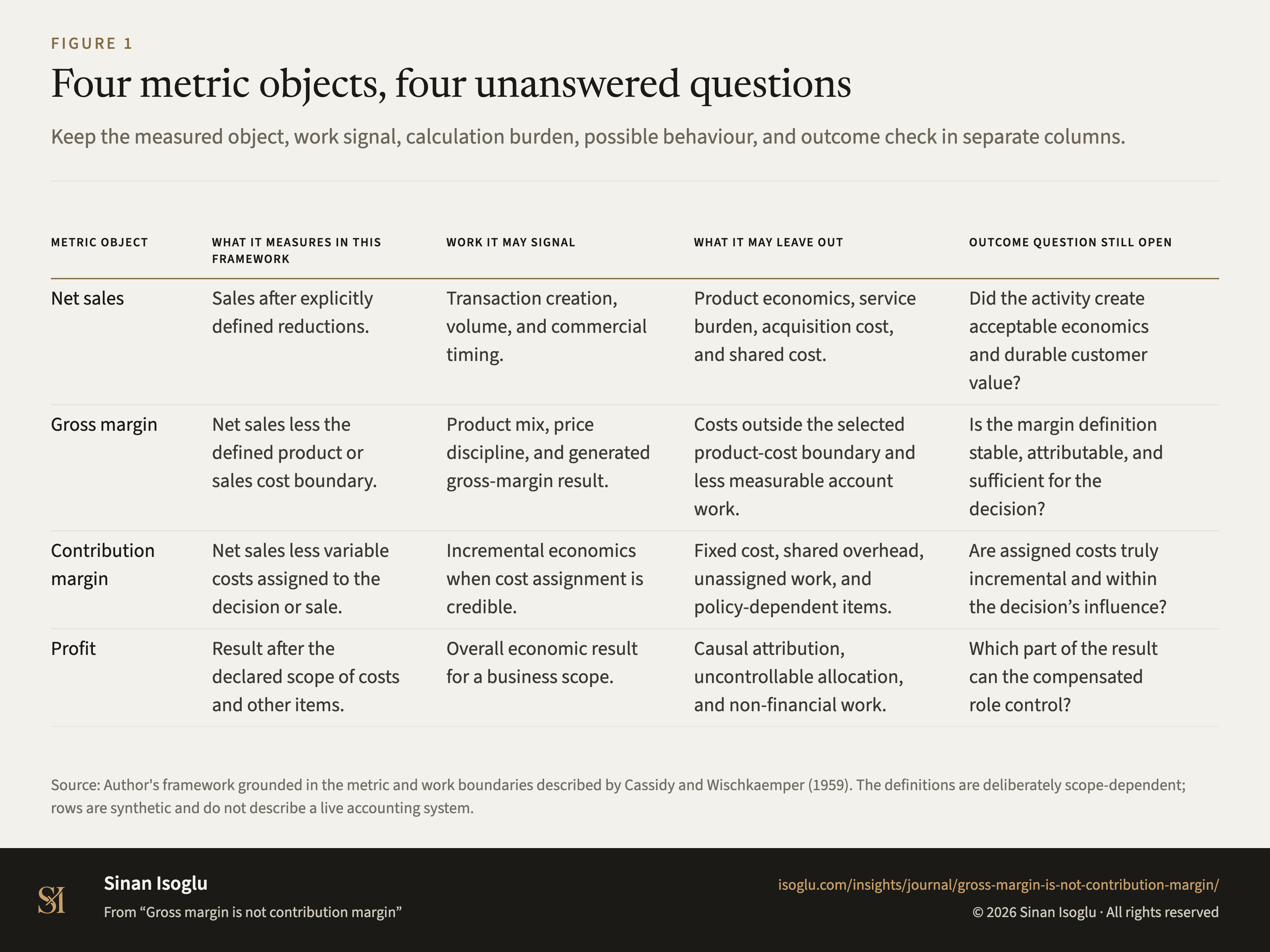
Figure 1Four metric objects, four unanswered questions
| Metric object | What it measures in this framework | Work it may signal | What it may leave out | Outcome question still open |
|---|---|---|---|---|
| Net sales | Sales after explicitly defined reductions. | Transaction creation, volume, and commercial timing. | Product economics, service burden, acquisition cost, and shared cost. | Did the activity create acceptable economics and durable customer value? |
| Gross margin | Net sales less the defined product or sales cost boundary. | Product mix, price discipline, and generated gross-margin result. | Costs outside the selected product-cost boundary and less measurable account work. | Is the margin definition stable, attributable, and sufficient for the decision? |
| Contribution margin | Net sales less variable costs assigned to the decision or sale. | Incremental economics when cost assignment is credible. | Fixed cost, shared overhead, unassigned work, and policy-dependent items. | Are assigned costs truly incremental and within the decision's influence? |
| Profit | Result after the declared scope of costs and other items. | Overall economic result for a business scope. | Causal attribution, uncontrollable allocation, and non-financial work. | Which part of the result can the compensated role control? |
Swipe or scroll horizontally if the table is wider than your screen.
Source: Author's framework grounded in the metric and work boundaries described by Cassidy and Wischkaemper (1959). The definitions are deliberately scope-dependent; rows are synthetic and do not describe a live accounting system.
Source and evidence
Each line names a claim related to this exhibit, its source, and how it was checked.
- B CW59-C2 The report's own enumeration: "The three basic sales compensation systems used by the wholesalers were: (1) Commission on generated gross margin; (2) commission on net sales; and (3) salary, commission, and bonus", and "Three basic sales compensation systems were used by the wholesalers, but within each type there was some variation"cassidy-wischkaemper-1959-institutional-wholesale-grocers
- B CW59-C3 The count is the report's: "The compensation system used by four wholesalers in the study was commis"sion on each salesperson's generated gross margincassidy-wischkaemper-1959-institutional-wholesale-grocers
- B CW59-C4 Four wholesalers used net-sales commission, with variation including a single rate, graduated rates, and commodity categories based on gross-margin yieldcassidy-wischkaemper-1959-institutional-wholesale-grocers
- B CW59-C5 One wholesaler combined salary, net-sales commission, and a bonus tied to average daily generated gross margin, and the report says the plan would not fit every situationcassidy-wischkaemper-1959-institutional-wholesale-grocers
- B CW59-C6 The scope is nine purposively selected firms in 1959: "Case studies were made of nine selected wholesaling firms whose annual sales to food service operators ranged from slightly less than" one million dollars to almost five million, which is a historical description and not a benchmarkcassidy-wischkaemper-1959-institutional-wholesale-grocers
Grades: A, verified against the printed page of the primary source · B, primary source, text layer only · C, authoritative secondary · D, reported.
From the essay
Revenue operations & AI
Gross margin is not contribution margin
Gross margin, contribution margin, net sales, and profit signal different economic objects; a compensation base cannot stand in for all four.
Read the essayThis exhibit belongs to an essay: the numbers live here, the argument lives there.
Cite or embed
Related exhibits
Contact
Bring the question you're working on.
Research, a guest lecture, or a commercial question.